
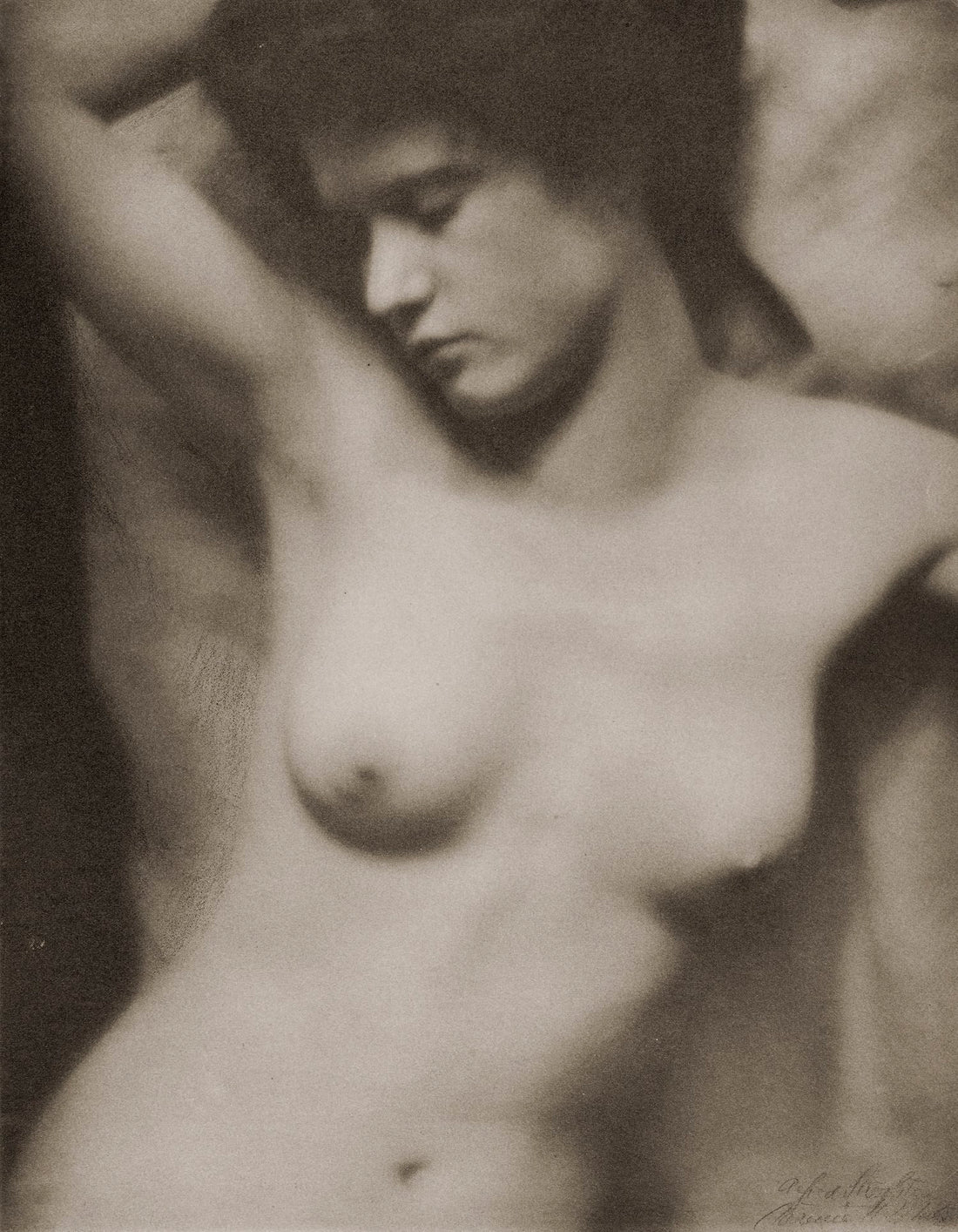
Portfolio No. 32: Camera Work
Camera Work, a portfolio of 10 images in the box set Wombat No. 32.
A photographic quarterly published from 1903 to 1917 in 50 issues printed in runs of 1,000 copies. A true platform for debate, it was dedicated to the activities of the American group of photographers known as the Photo-Secession, a movement founded in 1902 by Stieglitz, which aimed to establish photography as a means of personal and plastic expression. For 15 years, Camera Work promoted not only amateur photographers but also the modern artworks of European artists who were still largely unknown at the time, such as Henri Matisse (1869–1954) and Auguste Rodin (1840–1917).
While this magazine glorified photography, it also exalted the art of publishing. Featuring grain and contrasts akin to drawing, the photographic reproductions in Camera Work were executed with remarkable skill. From the cover to the typography, carefully designed by the photographer Edward Steichen (1879–1973), Stieglitz spared no effort to perfect the magazine’s elegance: covers made of pure green cloth, prints on almost transparent Japanese paper, and hand-mounted reproductions. Each image was photogravure-printed by hand in New York print shops from the original negatives, which Stieglitz and the photographers themselves scrupulously supervised.
In 1917, financial difficulties caused by high production costs, repeated publication delays, a sharp decline in subscriptions, and the Second World War forced Stieglitz to discontinue Camera Work. Today, the complete collection represents a unique preservation project for photographic prints, valued at up to $90,000.


To receive this portfolio, order the Wombat No. 32 box set.